The Advantages of Getting Dental Crowns in Oxnard CA
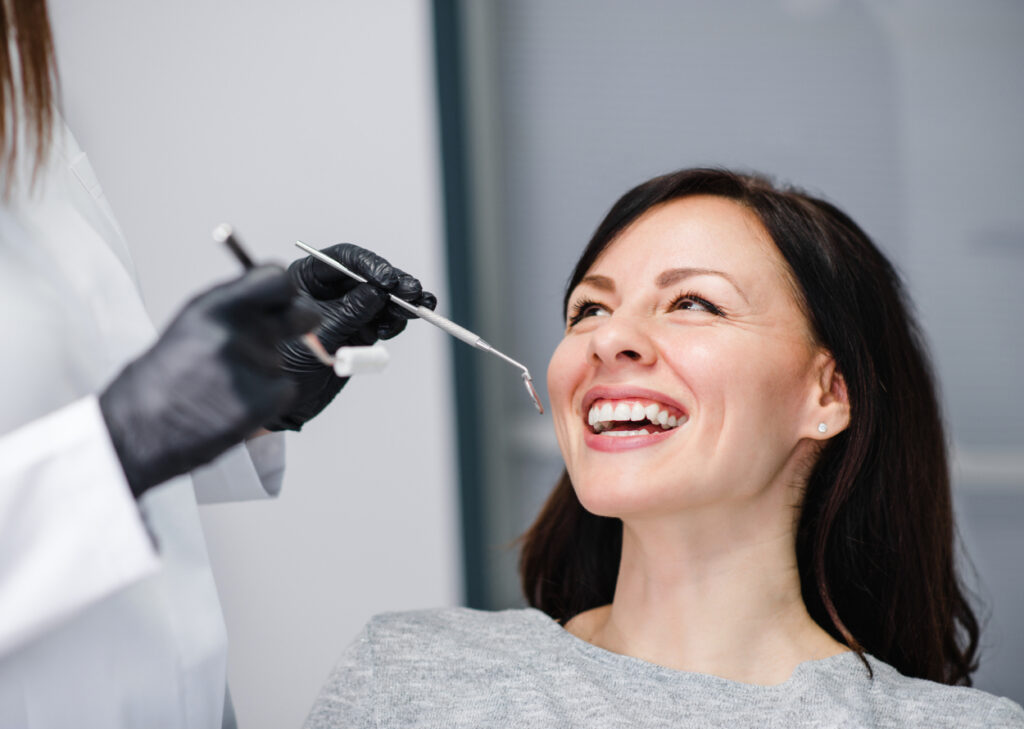
A dental crown is one of those treatments people often hear about long before they actually need one. Many picture it as a simple cap placed over a damaged tooth, which is true in the broadest sense, but that definition misses why crowns are such a reliable, high value option in everyday dental care. In practice, a well-made crown can save a cracked tooth from getting worse, restore a bite that no longer feels https://felixpglx966.lucialpiazzale.com/dental-crowns-what-every-patient-should-understand dependable, protect a root canal-treated tooth, and improve the look of a smile without changing the character of someone’s face.
For patients considering Dental Crowns Oxnard CA, the advantages go beyond repair. A crown can restore confidence at work, make meals easier, reduce sensitivity, and help avoid more complex treatment later. I have seen people put off treatment because the tooth only bothered them “once in a while,” only to discover that waiting turned a manageable restoration into a toothache, a broken cusp, or in some cases a tooth that could no longer be saved. Crowns are not the answer to every dental problem, but when they are the right answer, they often do far more than patients expect.
Why crowns matter more than people think
Teeth rarely fail all at once. More often, they weaken in stages. A filling gets larger over the years. A small crack starts catching pressure when chewing. A tooth that had a root canal years ago begins to feel brittle. Sometimes the change is subtle. Patients describe it as a tooth they “chew around” or one that “just doesn’t feel solid anymore.”
That is where Dental Crowns become especially useful. Unlike a filling, which replaces only the missing portion of a tooth, a crown covers the visible chewing portion and braces the structure underneath. This coverage matters when the remaining tooth is too compromised to handle normal daily forces on its own. Biting is not gentle, especially on molars. Even a routine meal can place significant pressure on a weakened tooth, and pressure repeated day after day is what turns a hairline problem into a fractured one.
In a place like Oxnard, where people lead active lives and often want practical, durable treatment, crowns fit naturally into modern restorative care. They are designed to solve functional problems while still looking natural enough that most people will never notice them.
The strength advantage, protecting a vulnerable tooth
The biggest practical advantage of a crown is reinforcement. When a tooth has a large cavity, a cracked cusp, old failing dental work, or substantial wear, it may no longer have enough healthy structure to hold up under pressure. A filling can patch damage, but it cannot always distribute force across the tooth the way a crown can.
Think of an old wooden chair with a split leg. You can fill the split, sand it smooth, and make it look better, but if the weight-bearing structure is already compromised, appearance alone does not restore dependability. Teeth are similar. When enough structure is missing, support matters more than surface repair.
This is especially true after root canal treatment. Once the infected or inflamed nerve tissue is removed, the tooth can remain functional for many years, but it is often more prone to fracture. Back teeth that have had root canals usually benefit from crowning because molars and premolars absorb heavy chewing forces. Without that full coverage protection, the remaining tooth may crack, sometimes beyond repair.
Patients often ask whether a crown is really necessary if the tooth is not hurting. Pain is not the only indicator of risk. Some compromised teeth are quiet until the day they split.
Restoring comfort during eating and speaking
A damaged tooth changes habits in ways people do not always notice right away. They start chewing on one side. They avoid crusty bread, nuts, cold drinks, or steak. They become cautious with certain words because the edge of a broken front tooth catches the lip. The mouth adapts, but adaptation is not the same as comfort.
One of the clearest benefits of Dental Crowns is the return of normal use. A properly fitted crown restores the shape and height of the tooth so it can contact the opposing tooth correctly. That matters for efficient chewing, even pressure distribution, and a bite that feels balanced.
I have heard the same phrase many times after crown treatment: “I forgot what it felt like to chew on that side.” That sounds small, but it is not. The ability to eat without guarding a tooth has a direct effect on quality of life. It makes meals less stressful, improves confidence in social settings, and reduces the temptation to overuse other teeth to compensate.
For front teeth, the benefit is not only comfort but speech and appearance. Small changes in tooth contour can affect how air moves when pronouncing certain sounds. A thoughtfully shaped crown can restore both form and natural function.
Aesthetic improvement without a dramatic look
Not every crown is placed for cosmetic reasons, but many patients are pleasantly surprised by how much better a restored tooth looks. Modern crowns, particularly tooth-colored options, can be matched closely to adjacent teeth in shade, translucency, and contour. The goal is usually not to create a “perfect” smile that looks artificial. The goal is to make the tooth belong.
That subtlety matters. Good dentistry is often invisible. A crown should not announce itself when someone laughs or speaks. It should blend with the person’s natural smile, facial features, and age. This is especially important for crowns placed on front teeth, where shape, length, and color influence the entire appearance of the smile.
Patients in Oxnard often want results that are polished but natural. They do not necessarily want cosmetic dentistry that looks overly bright or uniform. A skilled approach to Dental Crowns takes that into account. In many cases, the best compliment a patient can receive after treatment is not “nice crown,” but “you look great,” with no one quite able to identify why.
Crowns can help preserve the bigger picture of oral health
A single damaged tooth can create problems beyond itself. When one side of the mouth is avoided, chewing forces shift elsewhere. Teeth that are doing extra work can become sore, worn, or more prone to cracks of their own. Bite imbalance can contribute to muscle tension. Food traps around broken or misshapen teeth can make cleaning more difficult, increasing the risk of gum irritation and decay around the area.
Restoring the tooth with a crown can prevent that chain reaction. By reestablishing shape, contact, and function, the crown helps maintain the harmony of the bite and makes the tooth easier to clean than a broken, irregular surface.
There is also a preventive value here. Saving a tooth before it fractures beyond repair is almost always simpler, less invasive, and less expensive than replacing a lost tooth later with a bridge or implant. Dental care is full of decisions that involve timing. Crowns are often most beneficial when they are placed before a tooth reaches its breaking point.
Situations where a crown often makes sense
Dentists recommend crowns for a range of reasons, but a few patterns come up repeatedly in practice:
- A tooth has a very large filling and not much strong natural structure left.
- A tooth is cracked, worn down, or has a piece that broke off.
- A back tooth had a root canal and needs full coverage protection.
- A tooth is severely misshapen or discolored and simpler treatments will not solve it.
- A dental implant needs a final restoration to function like a tooth.
Even within these categories, judgment matters. Not every cracked tooth needs the same treatment. Not every large filling has to become a crown immediately. Good clinical decision-making depends on how deep the damage goes, where the tooth is located, how the patient bites, whether they grind their teeth, and how much healthy structure remains.
The material options and why they matter
Patients sometimes assume all crowns are basically the same. They are not. The material used can influence strength, appearance, wear on opposing teeth, and how the final result behaves over time.
All-ceramic and porcelain-based crowns are popular because they can look very natural. They are often excellent choices for front teeth and many back teeth as well, depending on bite forces and the specific material selected. Zirconia crowns are known for strength and have become common for posterior teeth, especially in patients who clench or grind. Porcelain fused to metal crowns are still used in some situations, though they are less common than they once were due to advances in all-ceramic materials.
There is no single best material for every patient. A person with heavy grinding habits, limited space between the jaws, or a habit of chewing ice may need a different solution than someone restoring a visible front tooth. This is one advantage of working with an experienced local dentist in Oxnard who can weigh not just aesthetics, but also your bite, habits, and long-term goals.
The local advantage of getting Dental Crowns Oxnard CA
Location may seem secondary, but it has real value when it comes to restorative dental work. Crowns are not purely mechanical. They depend on careful planning, precise tooth preparation, accurate impressions or digital scans, communication about shade and shape, and follow-up if the bite needs slight adjustment.
Choosing a provider for Dental Crowns Oxnard CA offers practical benefits. It is easier to return if the temporary crown loosens, if the bite feels high after placement, or if you want a close local office for regular monitoring. Restorative care goes more smoothly when patients can access their dental team without major disruption to work or family schedules.
There is also a community factor. Local dentists often understand the expectations and priorities of the patients they serve. Some patients are focused on longevity because they have had repeat dental work fail elsewhere. Others care deeply about natural aesthetics because they speak publicly, work in client-facing roles, or simply do not want restorative work to be obvious. These priorities shape treatment recommendations.
The process is usually easier than patients expect
Many people delay crown treatment because they imagine it will be painful, complicated, or drawn out. Most modern crown procedures are straightforward. The tooth is evaluated, any decay or old compromised filling material is removed, and the tooth is shaped to make room for the crown. A scan or impression is taken, and a temporary crown is placed if the final restoration is being fabricated off-site. At a later visit, the final crown is tried in, adjusted if necessary, and cemented or bonded.
If the tooth is already sensitive, cracked, or structurally weak, patients often feel relief once the tooth is covered and stabilized, even with the temporary. The second appointment is typically shorter. The most important part of that visit is fit. A crown should feel secure, contact neighboring teeth properly, and meet the bite evenly. Tiny adjustments can make a big difference in comfort.
Some offices offer same-day crowns in certain cases, which can be convenient. That said, convenience should not outrank suitability. Not every tooth or every clinical situation is ideal for every workflow. Good treatment is not about speed alone. It is about precision and appropriateness.
A crown can be cost-effective over the long term
Crowns are often more expensive upfront than a filling, and that naturally gives patients pause. The more useful way to think about cost is in relation to what problem is being solved and what risk is being avoided.
If a tooth is too compromised for another filling to hold predictably, choosing the cheaper option may simply postpone failure. A broken tooth that could have been protected with a crown may eventually require root canal treatment, extraction, implant placement, or a bridge. Those treatments are typically more complex and more expensive than addressing the problem earlier.
This does not mean every worn or repaired tooth should be crowned preemptively. It means treatment planning should be honest about prognosis. A crown often represents a meaningful investment in retaining your own tooth, and preserving natural teeth whenever reasonably possible is usually the most conservative long-term approach.
Common concerns patients raise
Patients ask thoughtful questions about crowns, and many of those concerns are worth discussing openly.
One concern is sensitivity. Some teeth are a little tender after preparation or after a new crown is placed, especially to temperature or biting pressure. Mild temporary sensitivity is not unusual. Persistent pain is different and should be checked. Another concern is lifespan. Crowns are durable, but they are not indestructible. Their longevity depends on oral hygiene, bite forces, material choice, diet, and whether decay develops at the edges.
There is also the fear that a crown means the tooth is “basically gone.” In fact, the purpose of a crown is to preserve and protect what remains of the natural tooth. A good crown is not a replacement for a whole tooth. It is a reinforcement for a tooth worth saving.
Some patients worry about appearance, especially if they have had an older crown with a dark edge or an unnatural shape. Materials and techniques have improved significantly. With good planning and clear communication, modern crowns can be both functional and highly aesthetic.
How to protect your investment after treatment
Dental Crowns do not require exotic maintenance, but they do benefit from consistent habits. The crown itself cannot decay, yet the tooth structure underneath and around it still can. Gum health around the crown also matters because inflammation can expose margins and compromise longevity.
A few habits make a real difference:
- Brush thoroughly along the gumline and floss around the crown every day.
- Avoid using your teeth to open packages, crack shells, or bite very hard objects.
- Wear a night guard if you clench or grind, especially if your dentist recommends one.
- Keep routine exams and cleanings so small issues can be caught early.
- Mention any sensation that the bite feels high, the crown feels loose, or food traps around it.
These are not dramatic steps, but they are the difference between a restoration that serves well for years and one that develops avoidable problems.
Crowns, aging, and maintaining confidence over time
Teeth change as people age. Enamel wears. Old fillings age with the rest of the mouth. Hairline cracks become more common. Years of coffee, tea, acidic foods, stress clenching, and ordinary use leave a mark. A crown is not a sign of failure. Very often, it is a practical response to the reality that a tooth has worked hard for decades and needs reinforcement to keep doing its job.
There is a psychological benefit here that is easy to underestimate. When a tooth feels fragile, people notice it constantly. It sits in the back of the mind during meals, conversations, travel, and even sleep if pain or sensitivity is involved. Once the tooth is restored properly, that background stress often disappears. Patients stop planning around the tooth. They stop worrying that something will break while they are out to dinner or away from home.
For many people, that peace of mind is one of the strongest advantages of getting Dental Crowns Oxnard CA. It is not only about saving structure. It is about restoring normalcy.
When a crown may not be the best choice
A balanced discussion should also acknowledge that crowns are not automatically the right treatment every time they are mentioned. If a tooth has too little healthy structure left, severe decay below the gumline, a vertical root fracture, or advanced periodontal support loss, a crown may not provide a predictable long-term result. In other cases, a conservative filling or onlay may be sufficient and preserve more natural tooth.
This is where diagnosis matters more than enthusiasm for any one procedure. The best dentists are not trying to place crowns whenever possible. They are trying to choose the least invasive treatment that will actually last. Sometimes that is a crown. Sometimes it is not.
That said, when a tooth truly needs full coverage, avoiding a crown out of fear, cost concerns, or wishful thinking can lead to a worse outcome. The important thing is having a clear explanation of why the treatment is being recommended and what alternatives realistically exist.
The practical value of acting before the tooth forces the issue
There is a moment in many restorative cases when the decision is still yours. The tooth is damaged, but salvageable. It is compromised, but not yet catastrophic. That window does not always stay open. Once a tooth splits deeply or develops a serious infection, treatment becomes more urgent and less forgiving.
Crowns are at their best in that middle ground, when they can reinforce, restore, and preserve. They are one of the most dependable tools dentistry has for turning a vulnerable tooth back into a useful one. For patients exploring Dental Crowns Oxnard CA, the benefits are tangible: better chewing, less risk of fracture, improved appearance, stronger long-term function, and a genuine chance to keep a natural tooth serving well for years.
That is what makes crowns such a valuable treatment. They do not just cover damage. In the right case, they change the future of the tooth.
Oxnard Dentistry
Address: 1730 E Gonzales Rd, Oxnard, CA 93036
Phone number: +18056049999
FAQ About Dental Crowns Oxnard CA
How long do crowns last on teeth?
Dental crowns typically last 10 to 15 years, but can last 20 to 30 years with excellent oral hygiene. Lifespan depends heavily on the crown material, your daily brushing and flossing habits, and whether you clench or grind your teeth.
What is the downside of crowns on teeth?
The primary downside of dental crowns is that the preparation process is irreversible. To properly fit a crown, a dentist must permanently shave down a significant portion of your natural tooth enamel. This exposes the tooth to potential risks like nerve inflammation, increased sensitivity, and structural weakening.
Why do dentists push for crowns?
Dentists often recommend crowns to save a structurally compromised tooth. If a tooth is heavily cracked, worn down, or has a cavity too large for a filling, a filling will not provide enough structural support, causing the tooth to eventually split. Crowns act like protective helmets, preventing tooth loss.