Preparing for Wisdom Teeth Removal: Step-by-Step Advice
Wisdom Teeth Removal tends to sound more dramatic than many dental procedures, partly because it usually arrives at an awkward age. Patients are often in their late teens or early twenties, juggling school, work, sports, travel plans, and a growing dislike of unexpected medical appointments. Add stories from siblings and friends, some accurate, some wildly exaggerated, and it is easy to approach the procedure with more anxiety than information.
A calmer approach starts with understanding what is actually happening. Wisdom teeth, also called third molars, are the last teeth to develop. Some erupt normally and behave like any other molar. Many do not. They may come in at an angle, remain trapped under the gum, push against neighboring teeth, or create a pocket that is difficult to keep clean. In those cases, removal is often recommended not because something is wrong today, but because the odds of trouble increase over time.
Preparation matters more than most people expect. A smooth recovery is not just about what happens in the oral surgeon’s chair. It depends on what you ask beforehand, what you eat the day before, who drives you home, whether you have the right pain relief on hand, and how seriously you take the first forty eight to seventy two hours after surgery. The difference between an uneventful recovery and a miserable one often comes down to details that seem minor until they are not.
Why timing matters
There is a practical reason many dentists recommend removing wisdom teeth before they become a crisis. Younger patients often heal faster, and the roots may be less fully formed than they would be later in adulthood. Bone also tends to be a little more forgiving in the late teen years and early twenties. That does not mean older adults cannot do well. They certainly can. It does mean the planning deserves more care if you are in your thirties, forties, or beyond, especially if the teeth are close to the sinus or near the nerve that serves the lower lip and chin.
Timing also matters in your own calendar. It is rarely wise to schedule Wisdom Teeth Removal right before a major exam, a wedding, a work presentation, or a long flight. Even straightforward extractions can leave you swollen, tired, and less comfortable than expected for several days. If sedation is involved, your judgment and energy may be off for the rest of the day. Give yourself a buffer. People often underestimate how nice it is to recover without needing to pretend they feel fine.
The consultation is where good preparation begins
The consult is not a formality. It is where the dentist or oral surgeon decides how complex the procedure is likely to be and where you learn what kind of experience to expect. Some removals are quick because the teeth are fully erupted and easy to access. Others require opening the gum and removing a small amount of bone, sometimes dividing the tooth into sections for safer removal.
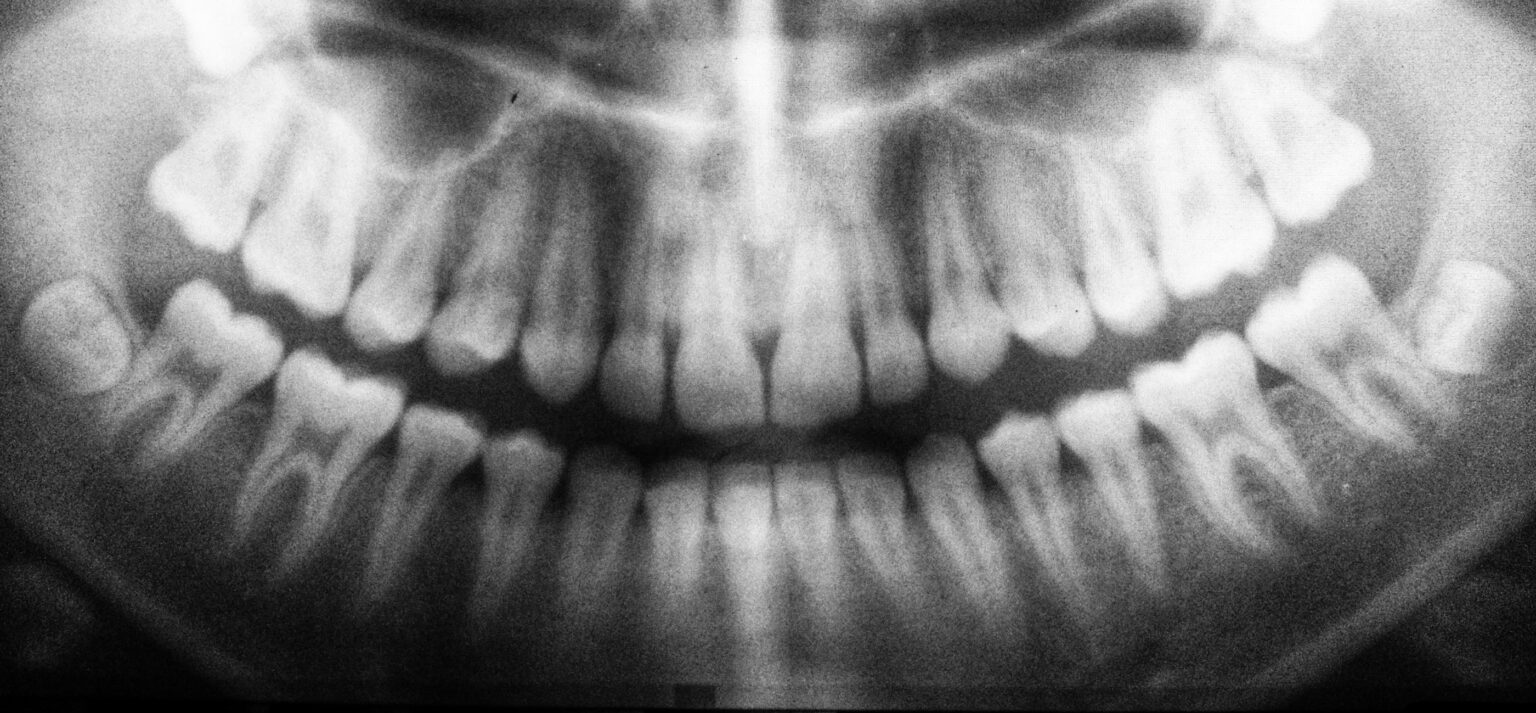
X rays guide much of this planning. On the lower jaw, the big concern is often the inferior alveolar nerve. On the upper jaw, the sinus may be relevant. Most consultations also include a review of your medical history, medications, allergies, and past experiences with anesthesia or sedation. If you have asthma, diabetes, a bleeding disorder, severe anxiety, or a history of nausea with anesthesia, say so clearly and early. None of those automatically prevents treatment, but they absolutely influence the plan.
This is also the right moment to ask direct questions. Not vague ones such as “Will it hurt?” but specific ones: How many teeth are coming out? Will I be awake, lightly sedated, or fully asleep? How long should I expect swelling? What pain medicine do you usually recommend? When can I exercise again? If a surgeon has removed thousands of wisdom teeth, they can usually give practical answers that fit your exact case rather than generic reassurance.
Understanding your anesthesia and sedation options
Patients often use the words anesthesia and sedation interchangeably, but the distinction matters. Some wisdom teeth are removed with local anesthetic alone. In that setup, you are awake, numb, and aware of pressure, movement, and sound, but not sharp pain. For the right patient and the right teeth, this can be perfectly manageable.
Other patients receive nitrous oxide, oral sedation, intravenous sedation, or deeper anesthesia depending on the office, the surgeon, and the complexity of the case. Each option has advantages. Nitrous wears off quickly. Oral sedation can help an anxious patient relax but may be less predictable. IV sedation is popular because it allows close control and usually creates a very foggy memory of the procedure, which many people appreciate.
The trade off is that sedation comes with preparation rules. If your surgeon gives fasting instructions, take them seriously. “Just a small breakfast” has derailed more than one carefully scheduled procedure. Food or drink in the stomach can increase the risk of complications during sedation. If your office tells you not to eat or drink after a certain time, follow that instruction exactly unless they tell you otherwise for necessary medications.
A few days before surgery
The best preparation happens before you feel rushed. Two or three days in advance, think through recovery as if you were setting up for a snow day. You want the basics handled so you can come home, rest, and follow directions without improvising.
Here is a practical pre-op checklist:
- Fill prescriptions early, including pain medication, any recommended antibiotic, and extra gauze if your office suggests it.
- Stock easy foods such as yogurt, applesauce, pudding, soup, mashed potatoes, eggs, oatmeal, smoothies you can eat with a spoon, and plenty of water.
- Arrange a reliable adult to drive you home and stay with you if your surgeon requires it, especially after IV sedation.
- Set up a recovery space with pillows, lip balm, ice packs or cold packs, tissues, a trash bin, and a phone charger within reach.
- Clear your schedule for at least the day of surgery and ideally a few days after, depending on how many teeth are being removed.
Patients often focus only on what they can eat, but the small comforts matter too. Dry lips are common because your mouth will be open during surgery and you may breathe through your mouth afterward. Extra pillow support helps keep your head elevated, which can reduce swelling. A bedside table stocked with water, medications, and a folded towel saves you from awkward trips across the room when you are groggy.
If you wear contact lenses, ask whether you should switch to glasses on the day of the procedure. If you have long hair, tie it back comfortably. If you use removable oral appliances or retainers, ask whether they should come with you and whether they can be worn during recovery.
The night before and the morning of surgery
The night before is not the time for heroic productivity. Eat a normal dinner unless you have been told otherwise, hydrate well, and get some sleep. If your procedure requires fasting after midnight or after a specified hour, set an alarm or note to avoid accidental coffee, gum, or mints in the morning. Some offices are very strict because even a small amount can interfere with sedation protocols.
Wear comfortable clothing the day of surgery. Short sleeves are often easier if you are having an IV placed. Avoid heavy makeup, strong fragrance, and jewelry. If your office has given you a medication to take before arrival, follow the instructions exactly and do not invent your own timing.
Many anxious patients worry that they will say something embarrassing after sedation. Occasionally people are chatty or emotional afterward, but the bigger issue is coordination, not comedy. You may feel alert before you are actually ready to make decisions, walk steadily, or remember instructions. That is why having another adult with you matters. Your ride home is part of the medical plan, not a convenience.
What the procedure day usually feels like
Experiences vary, but there are some patterns. If you are having local anesthesia only, you will feel the numbing injections first. They pinch and burn for a few seconds, then the area grows heavy and dull. During the extraction itself, pressure is normal. Tugging, pushing, vibration, and cracking sounds can be startling if nobody warned you, but those sensations do not mean something is going wrong.
With IV sedation, the process often feels much shorter from the patient’s perspective. Many people remember sitting down, getting comfortable, and then waking up with gauze in their mouth. Time seems to disappear. You may still have local anesthetic as well, because numbness is useful even when you are sedated. It reduces discomfort during the transition home and can lower the amount of pain medication needed right away.
If your surgeon uses stitches, they may dissolve on their own over several days to a couple of weeks. Mild oozing is common after the procedure. Bright red, active bleeding that fills the mouth rapidly is different and should prompt a call to the office. Most of the time, though, what patients describe as “bleeding a lot” is actually a small amount of blood mixing with saliva, which looks more dramatic than it is.
The first twenty four hours set the tone for recovery
This period is where good habits matter most. The blood clot that forms in each socket is not just part of healing, it protects the underlying bone and nerve endings. Disturbing that clot can lead to dry socket, a painful condition more common in the lower jaw and particularly common in smokers. Dry socket is not subtle. It is often described as worsening pain a few days after surgery, sometimes with a bad taste or smell, and pain that can radiate toward the ear.
During those first hours, think gentle, cold, and quiet. Keep your head elevated. Change gauze as instructed. Use Wisdom Teeth Removal ice packs in intervals if your office recommends them. Do not spit forcefully, rinse vigorously, use straws, smoke, vape, or do strenuous exercise. Those instructions may sound repetitive, but they exist for a reason. The combination of suction, pressure changes, heat, and increased blood flow is exactly what can unsettle a fresh surgical site.
Pain usually peaks after the numbness begins to wear off, so take medications on schedule rather than waiting until discomfort is fully established. Some surgeons recommend alternating ibuprofen and acetaminophen if you can take both safely. Others prescribe something stronger for the first day or two. Follow the actual instructions given to you, especially if you have liver disease, kidney disease, stomach ulcers, or other conditions that affect medication safety.
Eating without making recovery harder
People love to swap post wisdom tooth meal ideas, but not every soft food is a good idea. The real goal is to eat enough to keep your energy up without irritating the sockets or leaving debris packed into them. Temperature, texture, and effort all matter.
For the first day, cool or lukewarm foods are often best. Very hot foods can increase bleeding and discomfort. Crunchy items, seeds, rice, chips, toast, and foods with sharp fragments can lodge in extraction sites. Some patients do well with smoothies, but only if they are eaten with a spoon rather than through a straw. That distinction matters more than it seems.
A simple progression works well for most people:
- Start with cool, soft foods such as yogurt, pudding, applesauce, cottage cheese, or blended soup that is not hot.
- Move to more filling options like mashed potatoes, scrambled eggs, oatmeal, or well cooked pasta when chewing feels tolerable.
- Drink water regularly, because dehydration worsens fatigue and can make pain feel sharper.
- Return to normal foods gradually, based on comfort, and keep hard, crunchy, or sticky foods out of the picture until your surgeon says the sites are healing well.
One practical detail many patients appreciate only afterward is the value of eating before your appointment if you are allowed to, or eating promptly once you are home if sedation and nausea are not an issue. Taking pain medicine on an empty stomach is one of the fastest ways to feel miserable. If you have a history of post procedure nausea, mention it beforehand so the team can advise you properly.
Swelling, bruising, and stiffness are normal, within reason
Swelling is usually most noticeable on days two and three. That pattern surprises people who expect to look worst immediately after surgery. Bruising along the cheeks or jaw can happen, especially after more involved extractions or in patients who bruise easily. Jaw stiffness is also common because the muscles have been held open and manipulated during treatment.
These changes are usually temporary. A patient who had all four wisdom teeth removed on a Thursday may look puffy through the weekend and feel much more like themselves by Monday or Tuesday, though complete healing continues longer than that. If one lower wisdom tooth was deeply impacted, recovery may be slower on that side than on the others. Uneven recovery does not automatically mean a problem.
Warm compresses may be recommended after the first day or two once swelling has peaked, but follow your own surgeon’s instructions rather than mixing advice from friends. Offices vary slightly in their protocols, and the specifics of your surgery matter.
Oral hygiene after Wisdom Teeth Removal
Patients are often nervous about brushing near the extraction sites, so they either clean too aggressively or avoid the whole area. Neither approach helps. You do want to keep your mouth reasonably clean, because trapped food and plaque contribute to odor, irritation, and slower healing.
Usually, gentle brushing away from the sockets starts the same day or the next day, depending on the office’s instructions. Saltwater rinses may be introduced after the first twenty four hours. If your surgeon gives you a syringe to flush the lower sockets later in recovery, use it exactly when told, not earlier. Overenthusiastic rinsing too soon can do more harm than good.
Bad breath during healing is common. So is a weird taste from blood, medication, or the normal healing process. Those symptoms alone do not necessarily signal infection. Worsening swelling, fever, spreading redness, pus, or increasing pain after initial improvement deserve a call.
When to call the surgeon
Most recoveries are routine, but it helps to know what falls outside the expected range. Call if you have trouble breathing or swallowing, uncontrolled bleeding, fever that does not make sense for your situation, severe nausea that prevents drinking fluids, or pain that escalates rather than gradually improving. Numbness that persists longer than expected should also be reported, especially if it affects the lip, chin, or tongue.
A note about dry socket is worth repeating because it tends to show up after patients think they are doing fine. If pain sharply worsens three to five days after surgery, especially in a lower extraction site, do not try to tough it out. Dry socket is treatable, and patients often feel much better after the socket is cleaned and dressed.
It is also reasonable to call for smaller concerns. If you are unsure whether a medication reaction is normal, if one side is dramatically more swollen than the other, or if you cannot tell whether a stitch has come loose, your surgeon would almost always rather answer a quick question than have you worry all weekend.
Special situations that deserve extra planning
Not every patient fits the standard script. If you are pregnant, immunocompromised, taking blood thinners, using medications for osteoporosis, or living with diabetes that is not well controlled, pre-op planning should be more deliberate. That usually means closer communication between your dental team and your physician when needed.
Athletes should plan around training. Heavy lifting and intense cardio too soon Wisdom Teeth Removal after surgery can restart bleeding or increase throbbing. Singers, wind instrument players, and public speakers may also want extra downtime because swelling and soreness can affect jaw mobility and speech. People who smoke or vape need blunt counseling, because nicotine and suction are both bad companions to fresh extraction sites. This is one of the clearest situations in oral surgery where habits have visible consequences.
There is also the question of whether all four teeth should come out at once. Often the answer is yes, because it consolidates recovery into one episode. Sometimes the better call is to stage treatment, especially if only one or two teeth are problematic, or if medical issues make shorter appointments preferable. The right choice depends on anatomy, symptoms, logistics, and patient preference.
Recovery is usually shorter than the dread beforehand
One pattern shows up repeatedly in practice: patients spend weeks imagining the worst and then find the actual experience manageable, if inconvenient. The hardest part is often not the surgery itself but the discipline of the recovery period. It takes restraint to rest when you feel almost normal, to skip the gym for a couple of days, to avoid crunchy comfort food, or to stop yourself from poking the area with your tongue every five minutes. Those small decisions protect healing.
A well prepared patient generally does better than an unprepared one, even when the surgical procedure is identical. They have food ready, medication organized, realistic expectations about swelling, and fewer surprises when the numbness fades. They understand that pressure during the procedure is normal, that day three can be puffier than day one, and that gentle care beats constant fussing.
If your Wisdom Teeth Removal is coming up, the most useful mindset is practical rather than fearful. Ask specific questions. Follow the instructions you were given, not the internet’s loudest opinions. Clear your schedule enough to recover properly. Then let the process be what it is: a common oral surgery with a predictable healing curve, made easier by preparation and patience.
Oxnard Dentistry
1730 E Gonzales Rd, Oxnard, CA 93036, United States
+1 805-307-8731
FAQ About Wisdom Teeth Removal
How painful is it to remove a wisdom tooth?
Local anesthetic numbs the area during extraction. Pressure may still be noticeable; tell the dentist if you feel pain. Soreness and swelling afterward are common. Follow the pain-control instructions provided for your situation.
How long is recovery for wisdom teeth extractions?
Recovery varies with the tooth position and complexity of the extraction. Some people resume routine activities quickly, while others need several days of rest. Soreness, swelling and jaw stiffness can last up to two weeks. Follow your clinician's aftercare and activity advice.
What are the risks of wisdom tooth removal?
Possible complications include dry socket, infection, persistent bleeding and changes in sensation from nearby nerve injury. Your dentist or oral surgeon should explain your individual risks before treatment. Seek prompt dental advice for bleeding that will not stop, fever, or severe or worsening pain and swelling.