How Lifestyle Habits Affect Veneers in Oxnard CA
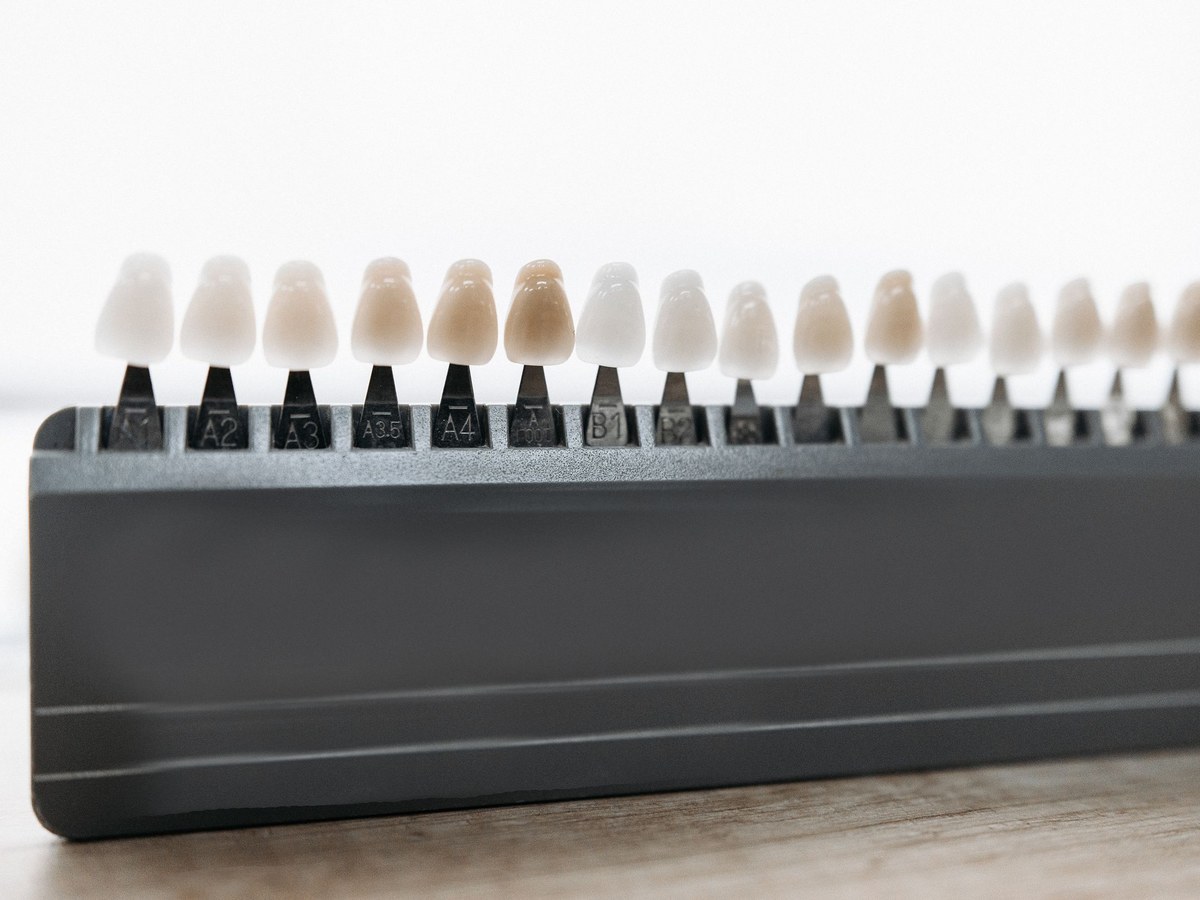
Porcelain veneers have a reputation for being durable, low-maintenance, and transformative. All of that is true, but only up to a point. In practice, veneers behave a lot like a high-quality finish on a well-built surface. They look beautiful, they hold up well, and they can last for many years, but daily habits still matter. What you eat, how you brush, whether you grind your teeth, how often you sip coffee, even how you breathe at night, all of it shows up over time.
That matters for anyone considering or already wearing veneers in a coastal city like Oxnard. Local lifestyle patterns tend to shape dental wear in very specific ways. Long beach days can mean dehydration and dry mouth. Busy work schedules can translate into rushed oral hygiene. Fresh citrus, iced coffee, wine with dinner, sports, and stress-related clenching are all common enough to affect veneer longevity. When people search for Veneers Oxnard CA, they are often focused on appearance first. Fair enough. A great cosmetic result is usually the reason veneers enter the conversation. But the real test starts after placement, when normal life takes over.
A veneer does not decay the way a natural tooth can, but the tooth underneath still can. The veneer itself resists staining better than natural enamel, especially if it is porcelain, but the edges can collect stain, and the bonding interface can be compromised by neglect or repeated stress. I have seen veneers look polished and stable after more than a decade, and I have seen otherwise excellent cases chip early because the patient had a few unaddressed habits that kept working against the dentistry.
Veneers are strong, not indestructible
Most modern porcelain veneers are impressively resilient. They handle normal chewing forces well and can maintain their gloss for years. Composite veneers can also look good, though they tend to be more prone to wear and staining. The issue is not whether veneers are fragile. It is whether lifestyle choices repeatedly push them beyond Veneers Oxnard CA the range they were designed to handle.
Think about the difference between biting into a sandwich and using your front teeth to tear open a package. One is ordinary function. The other is avoidable abuse. Veneers on front teeth are especially vulnerable to habits that place sharp, off-angle pressure on the edges. Nail biting, chewing pen caps, crunching ice, and opening things with your teeth all create small but significant risks. Often the damage does not happen in one dramatic moment. It builds gradually as tiny stress points until a corner chips or the bond weakens.
This is one reason the planning stage matters so much. The best veneer cases are not designed in isolation. They are designed around the patient’s bite, facial habits, and real life. Someone who clenches heavily during workouts or sleep may need a guard. Someone with a very edge-to-edge bite may need a more conservative plan or a different restorative option. Cosmetic dentistry works best when the lifestyle is part of the treatment plan, not an afterthought.
The eating and drinking habits that matter most
Diet affects veneers less through the porcelain surface itself and more through the surrounding environment in the mouth. Acidic foods and drinks soften and erode natural enamel at the margins, especially if there is frequent exposure. Sugar fuels decay risk on the teeth supporting the veneers. Dark beverages can stain bonding edges, adjacent teeth, and composite components. None of this means you have to give up coffee or citrus. It means frequency, timing, and hygiene make a real difference.
A patient who drinks one coffee with breakfast and rinses with water afterward is usually in a different position from someone who sips coffee from 7 a.m. To noon every workday. Same beverage, very different exposure pattern. That repeated contact matters. The same is true with sparkling water, sports drinks, kombucha, lemon water, and wine. People often assume that if a drink is not sugary, it is harmless. Acidity can still shift the oral environment in a way that stresses natural tooth structure around the veneer margins.
In Oxnard, produce is abundant and diets often lean fresh and healthy, which is a plus. But some healthy choices are acidic enough to be relevant. Oranges, berries, tomatoes, vinaigrettes, and green juices can all contribute to an erosive pattern if they are consumed constantly throughout the day. The answer is usually not elimination. It is spacing, balance, and rinsing. Eating acidic foods with meals is easier on teeth than prolonged sipping or grazing.
Here are the daily habits that most often show up in veneer maintenance visits:
- Frequent sipping of coffee, tea, wine, or acidic drinks over several hours
- Chewing ice, hard candy, pens, or fingernails
- Using teeth as tools to tear bags, tags, or packaging
- Snacking often without brushing or rinsing afterward
- Skipping night protection when clenching or grinding is already known
A lot of veneer problems begin with combinations like these rather than a single dramatic mistake.
Bruxism changes everything
If there is one factor that quietly shortens the life of veneers, it is bruxism, the habitual grinding or clenching of teeth. Some patients know they do it because they wake up with sore jaw muscles or headaches. Others are surprised to learn they have the habit because the signs are subtle. The tongue may show scalloping. The cheeks may have a ridged line inside. Natural teeth may look flatter or show fine fractures. Veneers in that environment are under more pressure than they appear to be.
Nighttime grinding is especially important because it is prolonged and uncontrolled. A person would never choose to squeeze their teeth together for hours, but that is effectively what happens in many sleep-related clenching patterns. A veneer can survive that for years if the case is well-designed and protected, but the margin for error narrows.
This is where a custom night guard earns its keep. Patients sometimes resist it because they feel the veneers already solved the cosmetic problem. The guard can seem unrelated, or optional. In reality, it is often one of the most practical steps for preserving the investment. A properly fitted guard helps distribute force and reduces the chance of chips, debonding, and wear on opposing teeth. It also protects natural enamel and many other restorations, not just veneers.
Stress plays a role here too. It is common to see clenching ramp up during work deadlines, family strain, or sleep disruption. Even highly disciplined people can grind through periods of stress without realizing it. That is why follow-up appointments matter. The dentist is often the first to spot new wear patterns before the patient feels any symptoms.
Oral hygiene habits can protect veneers or undermine them
Veneers do not excuse weak home care. If anything, they reward good technique more than most patients expect. Plaque accumulation along veneer margins can inflame gums, create visible redness, and make beautiful cosmetic work look less natural. If the gumline puffs or recedes unevenly, the most expensive veneer case in the world loses some of its effect.
Good hygiene with veneers is less about intensity and more about consistency and gentleness. Aggressive brushing does not clean better. It often causes gum recession and abrasion near the edges of the restoration. A soft-bristled toothbrush, non-abrasive toothpaste, and thorough daily flossing are usually the winning combination. Water flossers can help some patients, especially those with tight contacts or bridgework elsewhere, but they should support flossing rather than replace technique altogether unless a dentist recommends otherwise.
Whitening toothpaste is one area where marketing can work against patients. Many formulas are more abrasive than people realize. Porcelain itself resists wear fairly well, but surrounding natural teeth and exposed root surfaces may not. Over time, that mismatch can become visible. Patients sometimes come in saying their veneers still look bright, but the teeth next to them look duller or the gumline looks uneven. The issue is not always the veneers. It can be the cleaning products and habits around them.
Dry mouth deserves more attention than it usually gets. Saliva is one of the mouth’s main protective systems. It buffers acids, supports remineralization, and helps clear food debris. When saliva drops because of medications, mouth breathing, dehydration, or certain health conditions, the risk around veneer margins rises. Oxnard’s mild climate can make people underestimate dehydration, especially if they are outdoors, active, or talking all day for work. A dry mouth patient with veneers often needs more than routine advice. Sometimes the solution involves hydration habits, salivary support products, and changes in timing for acidic foods and drinks.
Smoking, vaping, and cannabis use leave their mark
This is a topic patients often ask about indirectly. They may ask why the edges look darker, why the gums around veneers seem irritated, or why breath stays stale despite brushing. Smoking has a well-established effect on gum health, healing, and staining. Even when porcelain resists direct discoloration, the adhesive margins and surrounding natural tooth structure can take on a darker look over time. Gum inflammation is often more persistent as well.
Vaping changes the conversation but does not erase it. Many patients assume vaping is neutral from a dental standpoint because there is no smoke. In practice, dry mouth remains a concern, and flavored products can contribute to an oral environment that is not ideal for long-term restoration health. Cannabis, especially when smoked regularly, can combine dry mouth, altered routine, and increased snacking, which is not a great trio for Veneers Oxnard CA maintaining veneers cleanly.
None of this means a patient who smokes or vapes cannot have veneers. It means the maintenance burden is higher, and expectations need to be realistic. The difference between a good result that lasts and one that degrades early often comes down to whether those habits are acknowledged honestly at the start.
Sports, beach culture, and active living in Oxnard
Oxnard is an active place. Between surfing, cycling, running, youth sports, pickup games, and gym training, many residents put their teeth into situations where accidental trauma is possible. Veneers do not make someone fragile, but they do change the consequences of impact. A blow that might have caused a small enamel chip on an untreated tooth can damage a veneer or compromise a bonded edge.
Custom mouthguards are not just for football. Anyone regularly involved in contact sports, martial arts, skating, or activities with fall risk should think about protection. Even surfers and cyclists can benefit, depending on the level of intensity. Off-the-shelf guards are better than nothing, but they often fit poorly and can encourage clenching. A well-fitted custom guard is more comfortable and usually more protective.
Fitness habits also matter in less obvious ways. Some people clench while lifting weights. Others sip acidic pre-workout or sports drinks over long sessions. Mouth breathing during endurance training can dry the mouth significantly. None of these habits alone guarantees veneer trouble, but together they can create the sort of slow wear pattern that becomes visible after a couple of years.
Small cosmetic compromises often start at the edges
Patients are sometimes surprised that veneer maintenance issues show up first at the margins rather than across the broad front surface. Porcelain stays glossy beautifully. What changes are the transitions, where veneer meets tooth and gum. That is where stain collects, where gums react, and where recession reveals what was once hidden.
This becomes more important as people age. Gum tissue naturally changes over time, and even excellent dentistry cannot freeze that process completely. If someone has veneers placed in their thirties and then develops brushing abrasion, clenching, or recession in their forties, the case may still be healthy but begin to look different. This is not failure. It is normal biology interacting with years of use. Patients do best when they understand that veneers are long-lasting restorations, not lifetime immunity from change.
A common example is the coffee drinker who keeps veneers spotless through regular cleanings but develops faint staining where the restorations meet the natural tooth. The fix may be minor, such as polishing or replacing small bonded areas. Another example is the patient who starts a medication that causes dry mouth and suddenly sees more plaque build-up around otherwise stable veneers. The restorations did not change overnight. The oral environment did.
The local dentist’s role is more than placement
Searching for Veneers Oxnard CA usually begins with photos and before-and-after results. That makes sense. Aesthetic skill matters. Shade selection, facial harmony, translucency, line angles, and gum symmetry all shape the final appearance. But the longer-term value often depends just as much on follow-up care and habit coaching.
A dentist who asks detailed questions about coffee intake, grinding, fitness, sleep, smoking, reflux, and home care is not being overly cautious. That dentist is trying to predict how the veneers will live in your mouth, not just how they will look on delivery day. It is a very different mindset from simply designing a smile and sending the patient out the door.
This is also why two people can receive equally attractive veneer work and have very different outcomes five years later. One brushes gently twice a day, flosses nightly, drinks coffee with meals instead of all morning, and wears a night guard. The other has strong cosmetics but frequent dry mouth, clenches through stress, snacks often, and skips maintenance visits. The materials are the same. The lifestyle is not.
When a few adjustments can save years of wear
Patients sometimes imagine veneer care as a rigid set of restrictions. It usually is not. Most of the time, practical adjustments are enough. Drink water between acidic or pigmented beverages. Avoid using your front teeth as tools. If you know you clench, wear the guard. Use a soft brush and a non-abrasive paste. Keep regular hygiene appointments. That is not a punishing routine. It is ordinary maintenance with a bit more awareness.
The upside is significant. Well-maintained veneers can keep their shape, color, and polish for a long time, often well into the decade range and sometimes beyond, depending on material choice, case design, and habits. Patients who protect them tend to forget they are even there, which is exactly what great dentistry should feel like.
There are also moments when a quick intervention prevents a bigger repair. A slightly rough edge can often be polished before it catches stress. A night guard that no longer fits after orthodontic movement or dental changes can be remade before damage occurs. A habit of sipping lemon water all afternoon can be corrected before erosion around margins becomes obvious.
These are the signs that deserve prompt attention from your dentist:
- A veneer edge feels rough, sharp, or newly different against the tongue
- Gums around one veneer bleed, swell, or recede more than surrounding areas
- You notice darkening at the edge of a veneer or a mismatch with nearby teeth
- Jaw soreness, morning headaches, or tooth sensitivity suggest new clenching
- A veneer feels loose, sounds different when tapped, or catches floss unusually
Catching these changes early usually leads to simpler solutions.
Veneers and real life can coexist well
The best veneer cases are not the ones that survive in perfect conditions. They are the ones that hold up in actual life, school drop-offs, long shifts, beach weekends, workouts, rushed mornings, coffee habits, and all. That takes two things working together: strong clinical planning and realistic daily care.
For people in Oxnard, that often means balancing aesthetics with an active, outdoor, social lifestyle. Veneers fit that life very well when patients understand what affects them. Coastal living itself is not the issue. The habits wrapped around it are. Dry mouth after hours in the sun, sports without a mouthguard, constant iced coffee, stress clenching, and casual use of teeth as tools, those are the patterns that quietly shorten veneer life.
A beautiful smile is part craftsmanship and part stewardship. The craftsmanship comes from good diagnosis, material selection, and precise placement. The stewardship comes from what happens every day after that. Patients who understand that relationship usually get more out of their veneers, both cosmetically and financially. They keep the brightness, shape, and confidence they paid for, and they avoid the avoidable setbacks that make people think veneers are less reliable than they really are.
If you are considering Veneers Oxnard CA, ask not only how the teeth will look, but how the veneers will fit your habits. That single shift in perspective often leads to better decisions, better maintenance, and a result that still looks right years later.
Oxnard Dentistry
1730 E Gonzales Rd, Oxnard, CA 93036, United States
+1 805-307-8731
FAQ About Veneers Oxnard CA
How long do porcelain veneers last?
Porcelain veneers can last for many years, but they can chip, loosen, or wear over time. Their lifespan depends on factors such as your bite, whether you grind your teeth, and daily care. Regular dental visits let your dentist check their condition.
Are dental veneers permanent?
Traditional veneers often require removing a small amount of enamel, so that change to the tooth is generally irreversible. Veneers can still need repair or replacement. Ask your dentist how much preparation your teeth would require.
How much do veneers cost in Oxnard?
Cost depends on the material, how many teeth you want treated, and whether you need other dental work first. Ask for a written estimate that explains the price per tooth and what is included.