Can Wisdom Teeth Removal in Oxnard CA Prevent Infection?
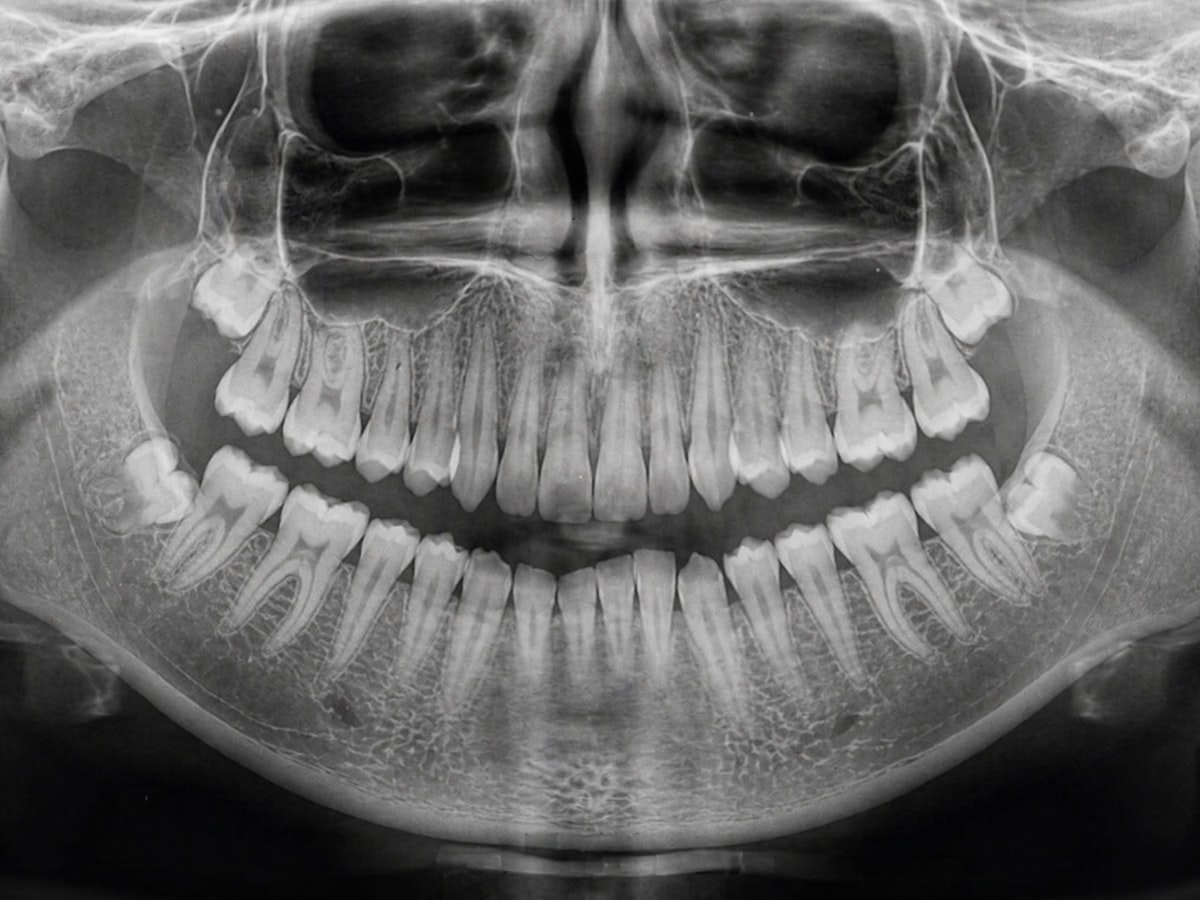
Wisdom teeth have a way of staying quiet until they do not. Many people assume these back molars are harmless if they are not causing pain right now. In practice, that is not always true. I have seen plenty of cases where a patient feels fine for months, sometimes years, then suddenly develops swelling behind the last molar, trouble chewing, bad breath that will not improve, or a sharp ache that seems to travel into the jaw and ear. By the time those symptoms show up, infection is often part of the picture.
So, can wisdom teeth removal in Oxnard CA prevent infection? In many cases, yes. It can reduce the risk significantly when the wisdom teeth are impacted, partially erupted, difficult to clean, or positioned in a way that traps bacteria and food debris. It is not an automatic recommendation for every person, and it is not a guarantee that all oral infections disappear forever. Still, for the right patient, removing problematic wisdom teeth is often a preventive step, not just a reaction to pain.
The key is understanding when those teeth are likely to become a problem, how infection develops, and why waiting for obvious pain is not always the safest strategy.
Why wisdom teeth become infection risks
Wisdom teeth, also called third molars, usually appear in the late teens or early twenties. Some erupt normally and function like any other molar. Others remain trapped under the gum or bone, come in sideways, or break through only partway. That last group, the partially erupted wisdom teeth, causes a surprising amount of trouble.
When part of the tooth is exposed and part remains covered by gum tissue, the area becomes hard to clean. Food, plaque, and bacteria collect around the flap of gum. Even patients who brush carefully often cannot reach that pocket well enough. Over time, the tissue gets irritated and inflamed. Once bacteria multiply in that sheltered space, infection can follow.
This kind of localized infection is often called pericoronitis. It may start as tenderness behind the molars and then develop into swelling, a bad taste, jaw stiffness, and pain when biting down. In more advanced cases, the swelling spreads into the cheek or down into the neck. That is when a problem that once seemed minor starts to interfere with sleep, eating, work, and daily life.
Patients in coastal communities like Oxnard are no different from anyone else in this regard. The same anatomy and biology apply. The local issue is usually practical: people are busy, they put off evaluation because the symptoms come and go, and they assume antibiotics will fix the problem permanently. Antibiotics can calm an active infection, but they do not change the underlying position of the tooth. If the tooth remains a trap for bacteria, the infection often returns.
Removal can be preventive, not just reactive
A common misunderstanding is that oral surgery only makes sense after severe pain begins. Experienced dentists and oral surgeons often think differently. If imaging shows a wisdom tooth that is unlikely to erupt properly, or one that already creates a chronic plaque trap, removal can be a preventive treatment.
That prevention matters because dental infections do not always behave in a slow, polite way. Some stay mild for a while, then flare quickly. A patient may feel pressure on Thursday, wake up swollen on Saturday, and spend the weekend trying to find urgent care. It happens often enough that many clinicians would rather address a clearly risky wisdom tooth under controlled conditions than wait for an emergency.
Preventive removal also tends to be easier on the patient than removal during an active infection. Inflamed tissue bleeds more, healing can feel slower, and it is simply harder to go through surgery when your mouth already hurts. There is also the human factor. Decisions made in the middle of a painful flare are rarely calm ones.
That said, not every wisdom tooth needs to be removed. Some people keep all four without issue. Others have one problematic tooth and three that are stable. A careful exam, a panoramic X-ray, and a realistic discussion of the risks usually tell the story better than broad generalizations.
The kinds of infection wisdom teeth can trigger
The word infection can sound vague, but with wisdom teeth it usually falls into a few recognizable patterns. The most familiar is the gum infection around a partially erupted tooth. That is the classic scenario. There are others as well.
A wisdom tooth that presses against the second molar can create an area that is almost impossible to floss and clean. The result may be decay between the teeth, inflammation of the gums, or even bone loss around the healthy tooth in front. In that situation, the wisdom tooth is not only at risk itself, it is threatening a tooth you actually rely on for chewing.
An impacted tooth can also be associated with cyst formation, though that is less common. More routinely, crowding in the back of the mouth makes plaque control harder and contributes to chronic inflammation. Sometimes the issue is less dramatic than a facial swelling and more persistent than that, bad breath, a foul taste, low grade soreness, or repeated gum tenderness that never fully clears.
Here are some warning signs that a wisdom tooth may already be headed toward infection:
- Red, swollen, or tender gum behind the last molar
- Pain when chewing or opening the mouth wide
- A bad taste, unpleasant odor, or drainage from the area
- Swelling in the jaw or cheek
- Repeated episodes that improve, then return
Those patterns matter because recurrent inflammation is usually not random. It often means the anatomy itself is causing the problem.
When keeping the tooth is reasonable
A balanced answer has to include the other side. Wisdom teeth removal in Oxnard CA is not a one size fits all decision. Some wisdom teeth are fully erupted, easy to clean, aligned with the bite, and free of decay or gum disease. If imaging confirms they are not harming adjacent teeth and the patient can maintain them well, keeping them may be perfectly sensible.
Age also matters, though not in an absolute way. Younger patients often heal faster and have less dense bone, which can make removal simpler. Older adults can still do very well, but the decision may involve more discussion about healing time, medical history, medications, and the actual likelihood of future problems. If a fifty year old has symptom free wisdom teeth that have been stable for decades, the threshold for preventive surgery may be different from that of a nineteen year old with partially erupted lower thirds and repeated gum infections.
This is where judgment matters more than slogans. The question is not, should everyone have wisdom teeth removed? The real question is, does this particular tooth create more long term risk than benefit if it stays?
What the exam usually reveals
A proper evaluation involves more than a quick look. Dentists and oral surgeons typically assess the gum tissue, how much of the tooth has erupted, the position of the tooth, the space available in the jaw, signs of decay, and the health of the second molar next to it. X-rays are essential because the visible portion of the tooth may not reflect what is happening under the surface.
For lower wisdom teeth, clinicians also look at the relationship between the roots and the inferior alveolar nerve. For upper wisdom teeth, sinus proximity can matter. None of that means removal is unsafe. It simply shapes how the procedure is planned and how risks are explained.
Patients often find it helpful when the provider points out not just the wisdom tooth itself, but also the tissue pocket around it or the subtle shadow suggesting food and bacteria are getting trapped. Once you see the anatomy, the infection risk stops feeling theoretical.
Why recurring infection should not be ignored
One of the most important clinical patterns is recurrence. A single irritated episode after food gets lodged in the gum area may not justify immediate surgery by itself. But if the same tooth becomes inflamed every few months, the pattern usually speaks for itself.
Repeated infections can gradually damage surrounding tissue. They can also lead patients into a frustrating cycle: mouthwash, pain medication, antibiotics, temporary improvement, then another flare. That cycle is exhausting and expensive. It also does not address the reason the infection keeps returning.
From a practical standpoint, recurring infection disrupts daily life in ways people underestimate. Eating on one side becomes a habit. Cold drinks sting. Travel becomes stressful because a flare could happen away from home. Some patients start avoiding dental visits because they worry surgery will be recommended, which only delays care further.
When a tooth repeatedly creates those problems, removal often restores predictability. Patients frequently say some version of the same thing a few weeks after healing: they had gotten so used to the discomfort that they forgot what normal felt like.
Timing matters more than most people think
If a wisdom tooth is clearly infected right now, the first priority is controlling the acute problem. Depending on the severity, that may involve irrigation of the area, antibiotics when clinically appropriate, pain management, and then scheduling extraction once the inflammation is under better control. In some cases, immediate removal is still possible. In others, it is wiser to settle the infection first. The right choice depends on swelling, access, medical history, and the clinician’s judgment.
For prevention, earlier evaluation tends to give patients more options. When the tooth is only partly erupted and starting to irritate the gum, the decision is usually cleaner than after it has already caused decay in the second molar or deep gum pockets that are difficult to reverse. Waiting can turn a manageable wisdom tooth issue into a two tooth problem.
That is one reason routine dental exams matter. Many wisdom tooth concerns are first spotted on imaging before the patient feels anything. Catching them early does not force surgery, but it allows a thoughtful discussion rather than a crisis driven one.
What recovery is really like
People often postpone wisdom teeth removal because they imagine a miserable recovery. The reality is more nuanced. Recovery varies with age, tooth https://www.google.com/maps?cid=11644345336093784457 position, number of teeth removed, and whether the extraction is simple or surgical. A straightforward upper wisdom tooth can be surprisingly easy. A deeply impacted lower tooth is usually more involved.
Most patients experience peak swelling and soreness in the first two to three days. By the end of the first week, many are significantly better, though the extraction sites continue maturing after that. Time off from work or school depends on the case. Some return within a day or two, while others prefer several days, especially after multiple extractions.
Good aftercare has a major effect on comfort and infection prevention after surgery. The basics are not glamorous, but they work:
- Follow the surgeon’s instructions on rinsing, medication, and activity
- Keep the area clean without aggressive poking or spitting
- Stick with soft foods and steady hydration for the first few days
- Avoid smoking or vaping during early healing
- Call promptly if swelling worsens after initial improvement, or if fever develops
Post operative infection is possible, but it is not the norm when the procedure is planned well and aftercare is solid. Most people heal uneventfully.
The local angle in Oxnard
When patients look up Wisdom Teeth Removal Oxnard CA, they are usually trying to solve a practical problem, not an abstract one. They want to know whether the discomfort in the back of the mouth is serious, how soon they need care, and whether extraction is truly necessary. They also want to know if local treatment can spare them a bigger problem later.
In a city like Oxnard, where people juggle work, family schedules, school calendars, and commuting, preventive dental care can slip down the list until symptoms become impossible to ignore. Wisdom teeth are famous for exploiting that delay. A mild issue on a weekday can become an urgent one over a weekend or before a trip.
That is why the best approach is often a timely evaluation rather than waiting to see if things get worse. If the wisdom teeth are healthy and maintainable, that is good news. If they are positioned for repeated infection, addressing them before a serious flare is usually the cleaner path.
Questions worth asking before deciding
A useful consultation is rarely just, should I remove them or not? Better questions lead to better decisions. Ask whether the tooth is impacted or partially erupted, whether it can be cleaned effectively, whether it is affecting the neighboring molar, and how likely the current irritation is to come back. Also ask what recovery would likely look like in your specific case, not in a generic online example.
Patients benefit when the conversation includes trade offs. Extraction has costs, downtime, and the usual surgical risks. Keeping a problematic tooth has its own costs, which may include recurrent infection, future emergency care, damage to adjacent teeth, and more difficult surgery later. Once those trade offs are put side by side, the right direction often becomes clearer.
A practical answer to the main question
Can wisdom teeth removal in Oxnard CA prevent infection? Often, yes, especially when the teeth are impacted, partially erupted, repeatedly inflamed, or compromising the health of the neighboring molars. Removal does not erase every possible oral health issue, but it can eliminate one of the most common sources of recurring infection in the back of the mouth.
The most important point is that prevention works best when the decision is based on anatomy and pattern, not just pain. If a wisdom tooth has already shown that it traps bacteria, inflames the gum, or causes recurring symptoms, waiting for a major infection rarely improves the situation. On the other hand, if the tooth is healthy, fully erupted, and easy to maintain, careful monitoring may be enough.
That is why individualized evaluation matters more than general advice. Wisdom teeth are small structures with a remarkable ability to create oversized problems. When they are positioned badly, removing them can be one of the more effective ways to prevent repeated infections and protect the rest of the mouth.
Oxnard Dentistry
1730 E Gonzales Rd
Oxnard, CA 93036, United States
Phone: +1 805-307-8731
FAQ About Wisdom Teeth Removal Oxnard CA
How much does it cost to get wisdom teeth removed in California?
Fees depend on tooth position, the number of extractions, imaging and anesthesia. Oxnard Dentistry can provide an individual estimate after examining your teeth. Ask for an itemized plan and confirm insurance benefits before scheduling.
Will insurance cover wisdom teeth removal?
Coverage and out-of-pocket costs vary by policy and the treatment required. Ask the dental office and your insurer to verify benefits, annual limits and any authorization requirements. A benefit estimate does not guarantee payment.
Is 30 too old to have wisdom teeth removed?
Age alone does not determine whether extraction is appropriate. A dentist evaluates symptoms, tooth position, oral health and medical history. Healthy, functional wisdom teeth may be monitored; teeth causing disease or other problems may need treatment.